.png)
Expanding residual value intelligence where decisions carry risk
Residual value risk spans asset classes wherever assets age, transition, or exit service under financial, regulatory, or operational pressure.
Buckstop’s index roadmap is focused on expanding decision-grade residual value benchmarks into asset classes where assumptions currently drive capital exposure, underwriting error, and recovery loss.
Each index follows the same core methodology. Each is launched only when there is enough transaction data to support defensible, repeatable decisions.
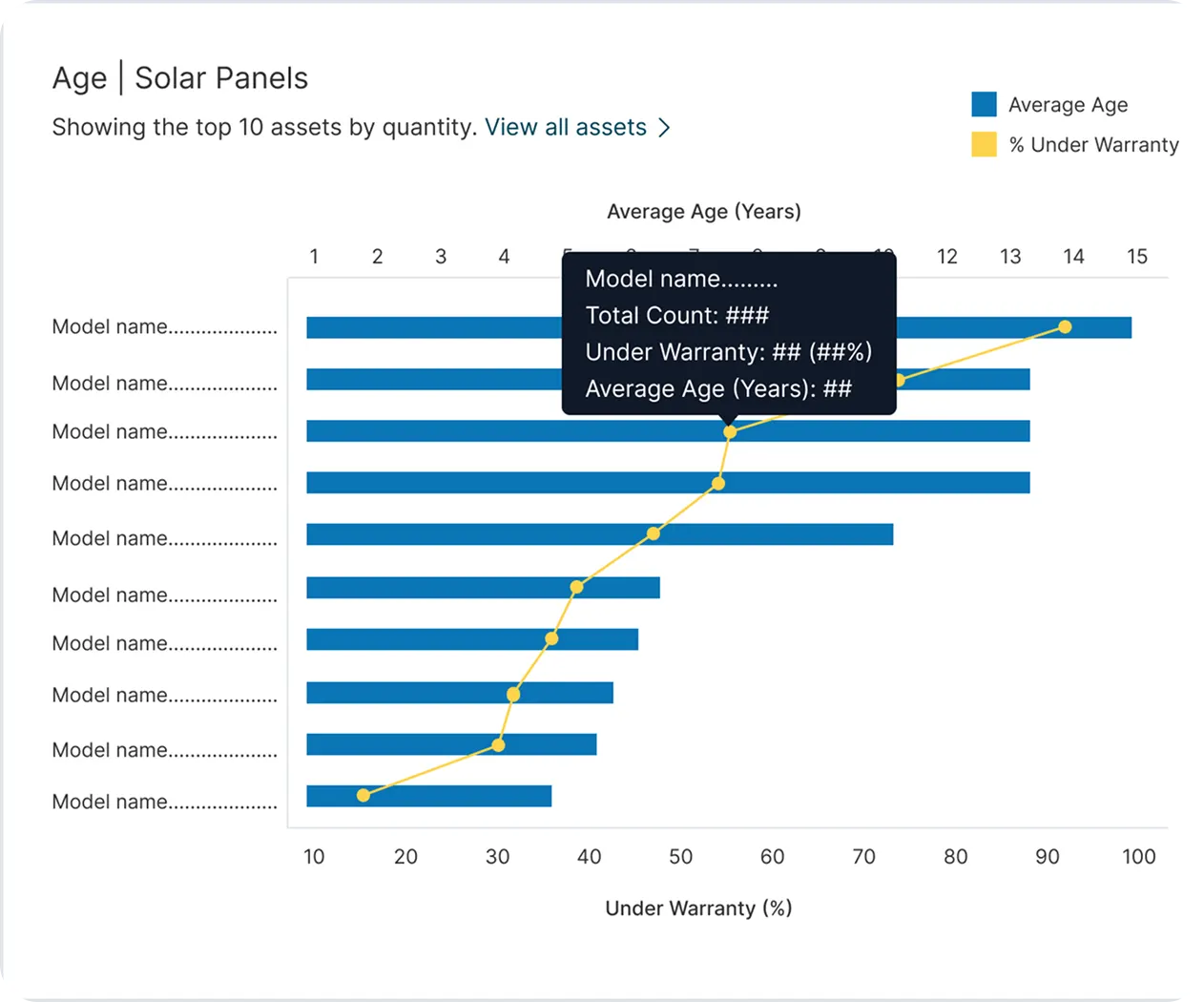
Solar Residual Value Index
The Solar Residual Value Index is live and in use across financing, underwriting,
recovery, and asset strategy decisions. It reflects real resale, recycling, and scrap
outcomes across solar assets as they age and exit service.
Battery and Energy Storage Systems
Battery assets introduce layered complexity around degradation, chemistry, regulation, and recovery economics.
This index is designed to support:
 Financing and underwriting of storage-backed projects
- Risk pricing for degraded or impaired assets
- Recovery planning where reuse, recycling, or disposal economics vary materially
Status: Live
Focus: Transaction-backed recovery pathways and degradation-adjusted value ranges


Data Center & Infrastructure
Data centres and industrial assets carry high capital intensity and sharp recovery cliffs at end of life.
This index is designed to support:
- Downside risk analysis for capital providers
- Liquidation and recovery pricing before asset transition
- Portfolio-level planning for aging infrastructure
Status: In development
Focus: Secondary market liquidity, component-level recovery, and logistics-adjusted outcomes
How Buckstop decides what comes next
Indexes are not added based on demand alone.
Each roadmap addition is evaluated on multiple factors.
Availability of real transaction data
resale and recycle
Material financial exposure tied to residual value assumptions
Repeatability across portfolios, not one-off assets
This ensures every index can support live decisions, not just research.
What the roadmap means for your team
If residual value assumptions are driving critical decisions
Then the roadmap indicates where Buckstop is expanding coverage next.
Teams often engage early to:
Apply the methodology to your assets
The fastest way to understand whether an index — live
or upcoming— applies to your decisions is to test it on your assets.
A pilot focuses on: