.png)
Value Recovery Services
Maximize value recovery without
managing the process.
managing the process.
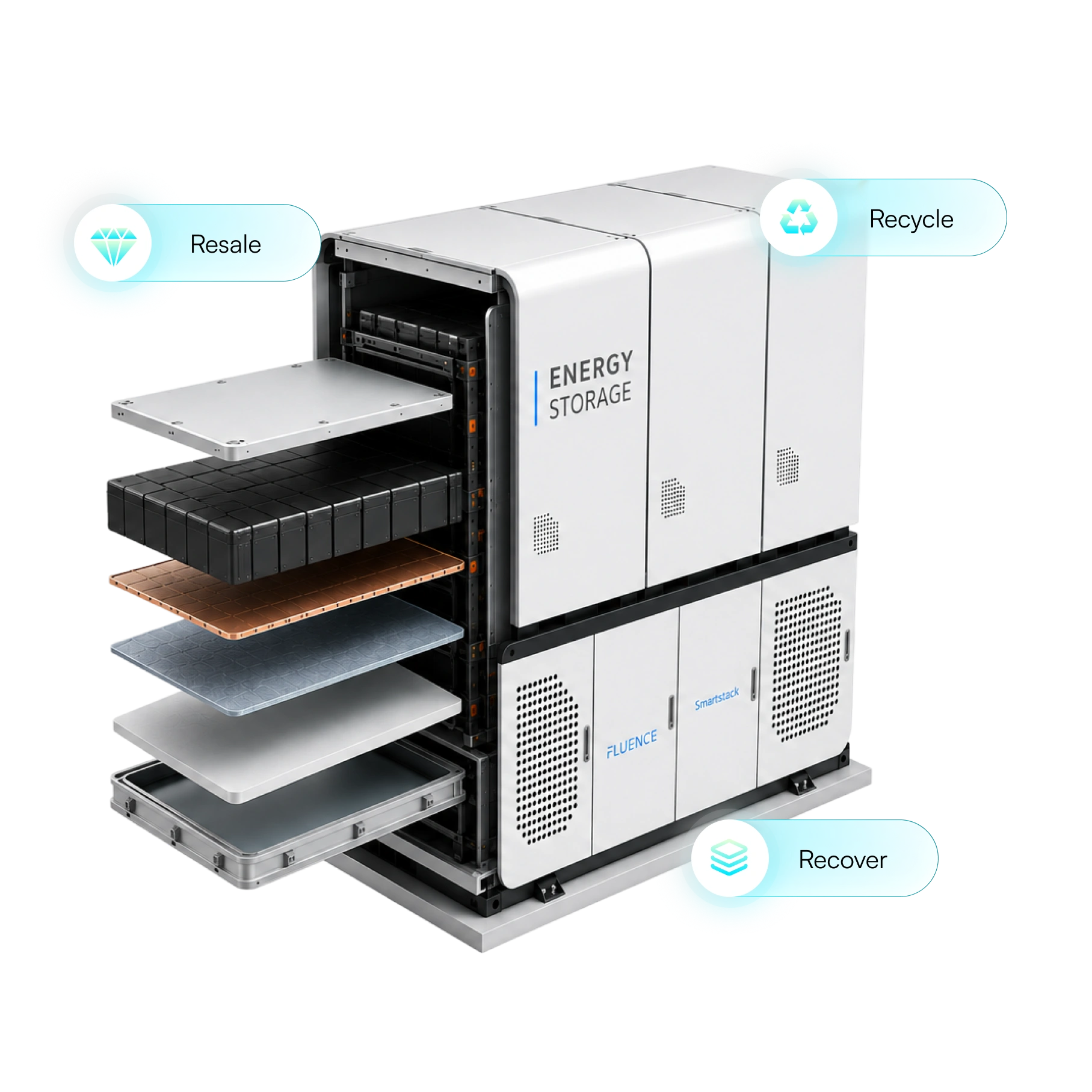
We find the pathway (resale, recycling, or salvage) that returns the most value, then run the whole recovery for you through our vetted partner network. Nothing comes out of your pocket. Our partners pay us a share of what's recovered, so we only get paid when you do.
Salvage Value $3.2M
Estimated Recovery
Estimated Recovery
How It Works
1

Analyze Your Assets
We determine which recovery pathway (resale, recycling, or salvage) returns the most value based on current market conditions
2
Build the Strategy
Based on what maximizes your recovery, we plan the execution approach
3
Manage Everything
We coordinate removal, transport, buyers, recyclers, and all logistics. You have one point of contact
4
You Get Paid
Recovery completed. Clear cost structure. Value recovered funds to you. We take a percentage
Why Asset Owners Choose Buckstop

Decisions Backed by Market
Intelligence
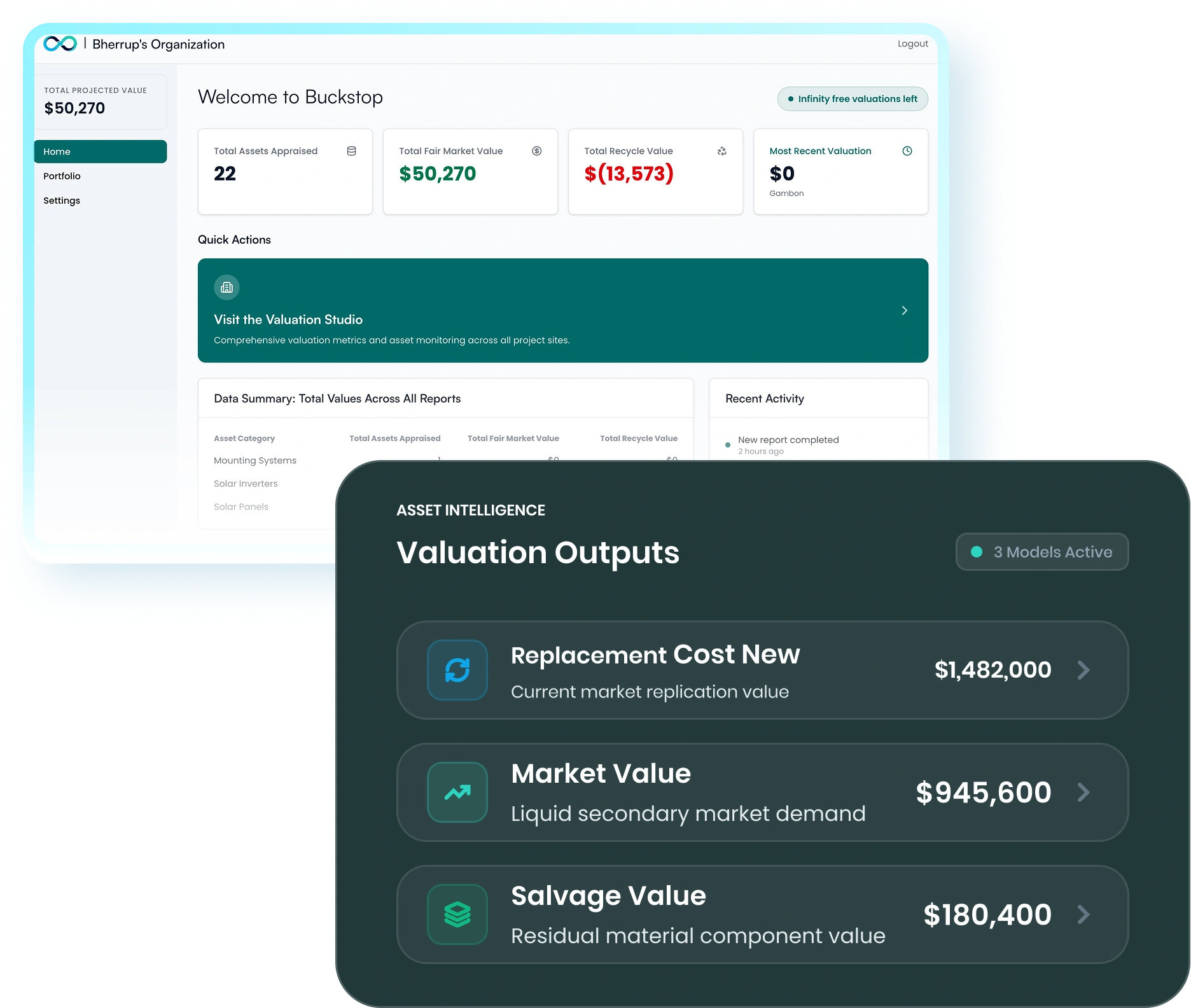
Every recommendation starts with live residual value intelligence from Valuation Studio, ensuring decisions are based on current market conditions rather than outdated assumptions.

Success-Based Engagements
Monitor project and portfolio value as commodity prices shift, secondary market liquidity changes, and recovery conditions evolve.
.avif)
Margin Protection
Avoid underpriced acquisitions and value leakage during liquidation. Assets are rarely undersold when pricing is clear.
.avif)
Pathway Comparison
Evaluate resale, recycling, salvage, and disposal outcomes side-by-side. We choose the pathway that returns the most value for your assets.
.avif)
One Partner Throughout the Process
From the first valuation through the final transaction, Buckstop manages the process, reducing complexity and helping teams move faster with confidence.
.avif)
The Core Recovery Questions
 Can this asset be resold, or is it worth more as scrap?
- What is the realistic value today?
- How long will it take to sell?
- How do freight, location, and regulation affect recovery outcomes?
- Am I getting the best price?
Your Assets Are Worth More Than the First Offer You Receive
Let your assets work for you one last time.
Frequently Asked Questions
What types of engagements does Buckstop support?
How does the success-based fee work?
Does every engagement start with a valuation?
Does Buckstop perform the recovery work itself?
What asset types are supported?
What is orchestration?