.avif)
Residual Value Index
in renewable energy markets
The Buckstop Residual Value Index replaces guesswork with a transaction-backed benchmark for resale, recycling, and scrap value across real markets.
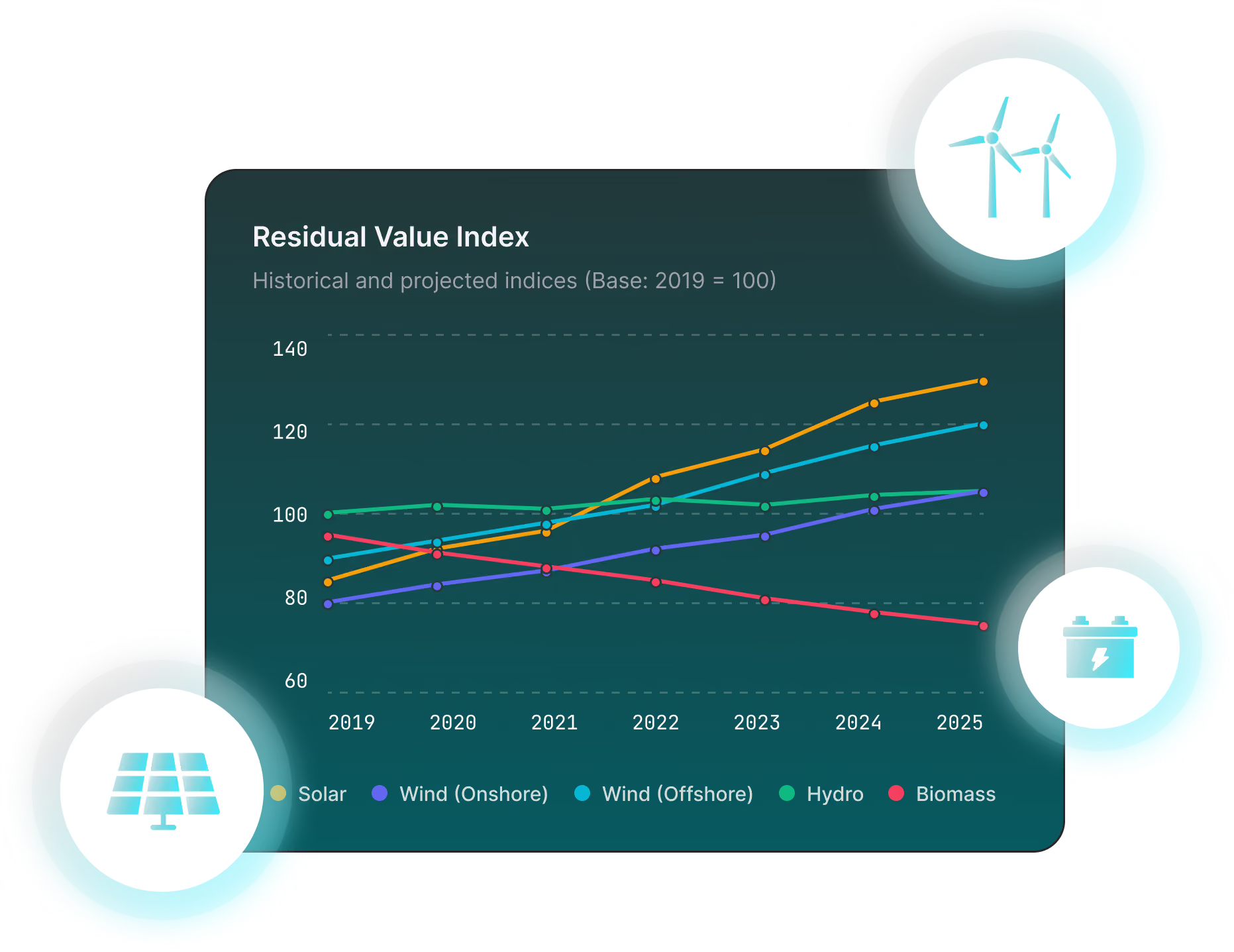
Make Decommissioning Decisions Using Numbers You Can Defend
Whether you're preparing for bond requirements, financing, compliance, or end-of-life planning,
Buckstop delivers a decommissioning forecast grounded in today's market conditions and ready in 10 business days.
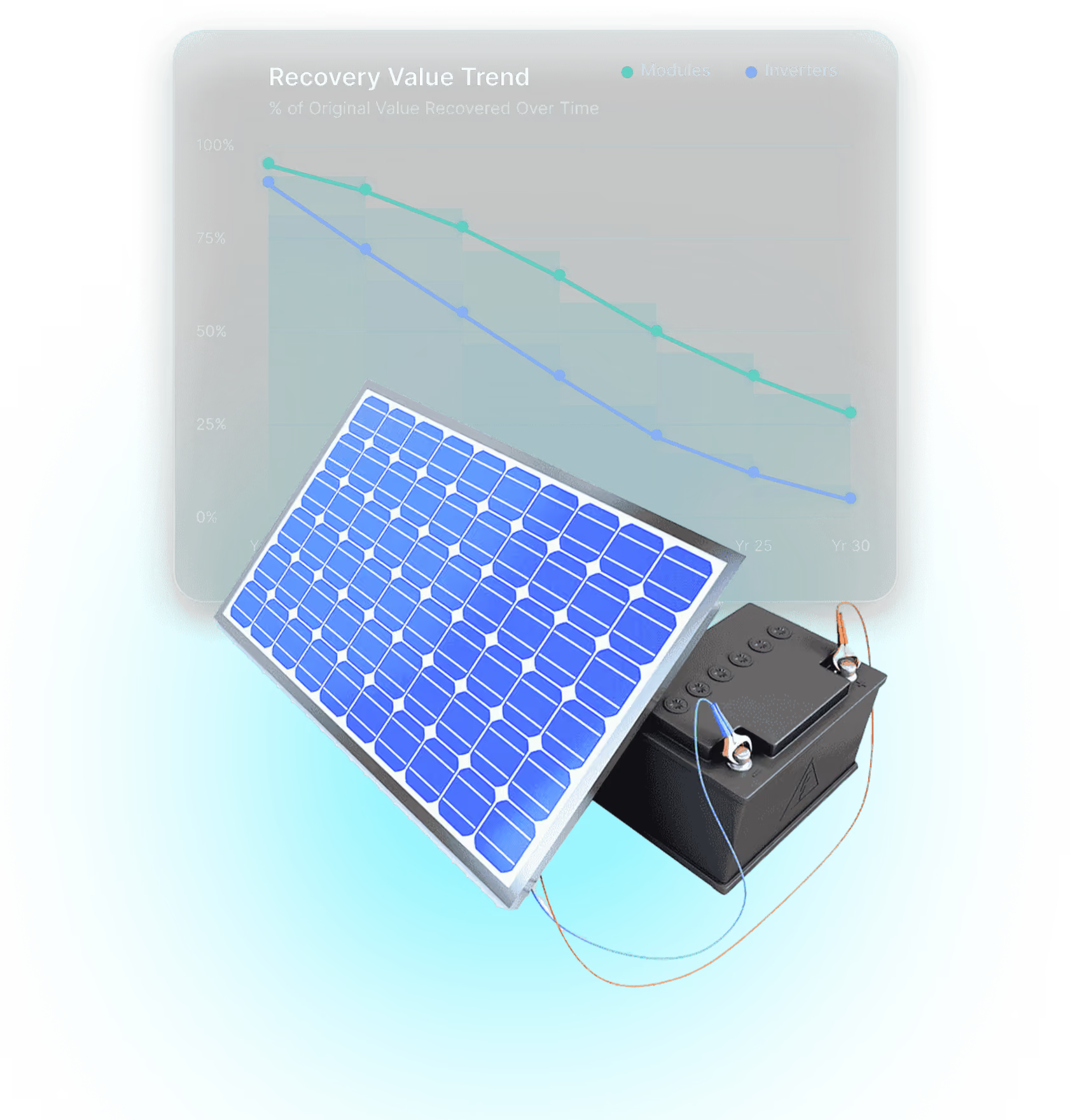
Observed market returns across asset lifecycles
- Resale outcomes for modules and components
- Recycling and scrap recovery values
- How pricing shifts by manufacturer, age, and condition
- The impact of location, regulation, and logistics on recovery outcomes
This creates a market-anchored reference point teams can use consistently across financing, underwriting, recovery, and asset strategy decisions.
How Pricing Is Derived
transactions, from thousands of global sources
.avif) Secondary market resale transactions
Secondary market resale transactions- Recycling and material recovery pricing
- Asset-level attributes such as manufacturer, wattage, vintage, and configuration
- Location-specific factors that materially impact value
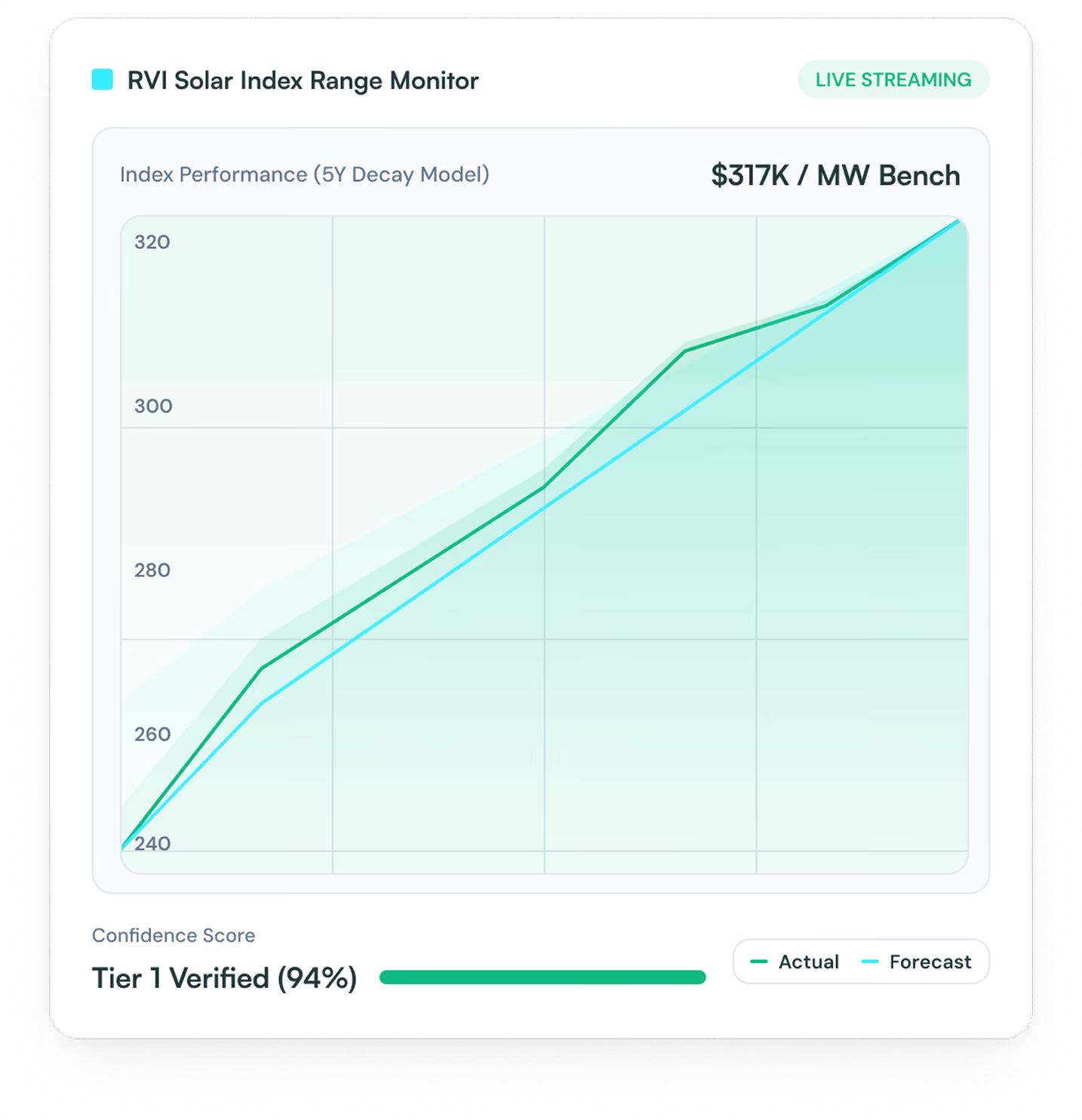
Why Residual Value Needs a Benchmark
Without a shared benchmark
 Recovery value is underpriced or ignored
- Bonds and premiums default to conservatism
- Capital is locked up unnecessarily
- Disagreements surface at audit, claim, or exit
The Residual Value Index allows teams to
 Replace subjective assumptions with defensible ranges
- Align internal stakeholders around a single reference point
- Defend decisions under scrutiny from credit committees, reinsurers, or regulators
How to Use the Residual Value Index
Brokers, insurers & sureties
- Size bonds, limits, and premiums accurately
- Reduce over-bonding and reserve inefficiency
- Support claims recovery and subrogation with transaction-backed pricing

Lenders & structured
finance teams
- Stress-test downside exposure at default or decommissioning
- Validate recovery assumptions used in financing models
- Protect IRR from mispriced end-of-life risk
Recyclers, salvage & resale
operators
- Decide whether solar assets are worth acquiring
- Avoid underpriced buys and margin surprises
- Choose refurbish, resale, recycle, or scrap pathways with clarity
Asset Owners & managers
- Offset decommissioning costs through recoverable value
- Plan upgrades and retirements with timing and pricing visibility
- Understand recovery potential before capital decisions are locked
What Makes the Residual Value Index Different
The same benchmark applies across underwriting, financing, recovery, and asset strategy. No assumption drift. No rework.
not survey-based

markets change

generic averages


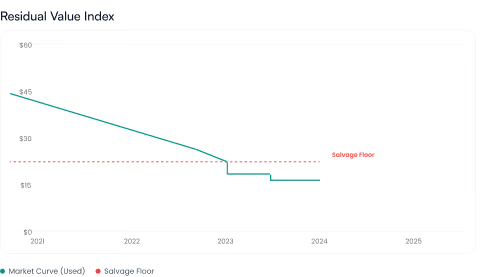
The Residual Value Index powers
- Defensible value ranges
- Outcome-driven scenario analysis
- Confidence scoring based on data breadth and recency
- Audit-ready assumptions for internal and external review
Buckstop layers reporting and workflow on top of the index so teams can apply it consistently without rebuilding analysis for every deal or asset.