.png)
The foundation of
defensible residual value
Residual value decisions fail when they rely on partial, outdated, or inconsistent data. Buckstop’s platform is built to avoid that.
Every output starts with a broad, continuously refreshed set of real market inputs designed to reflect how assets actually exit service across resale, recycling, and scrap pathways.
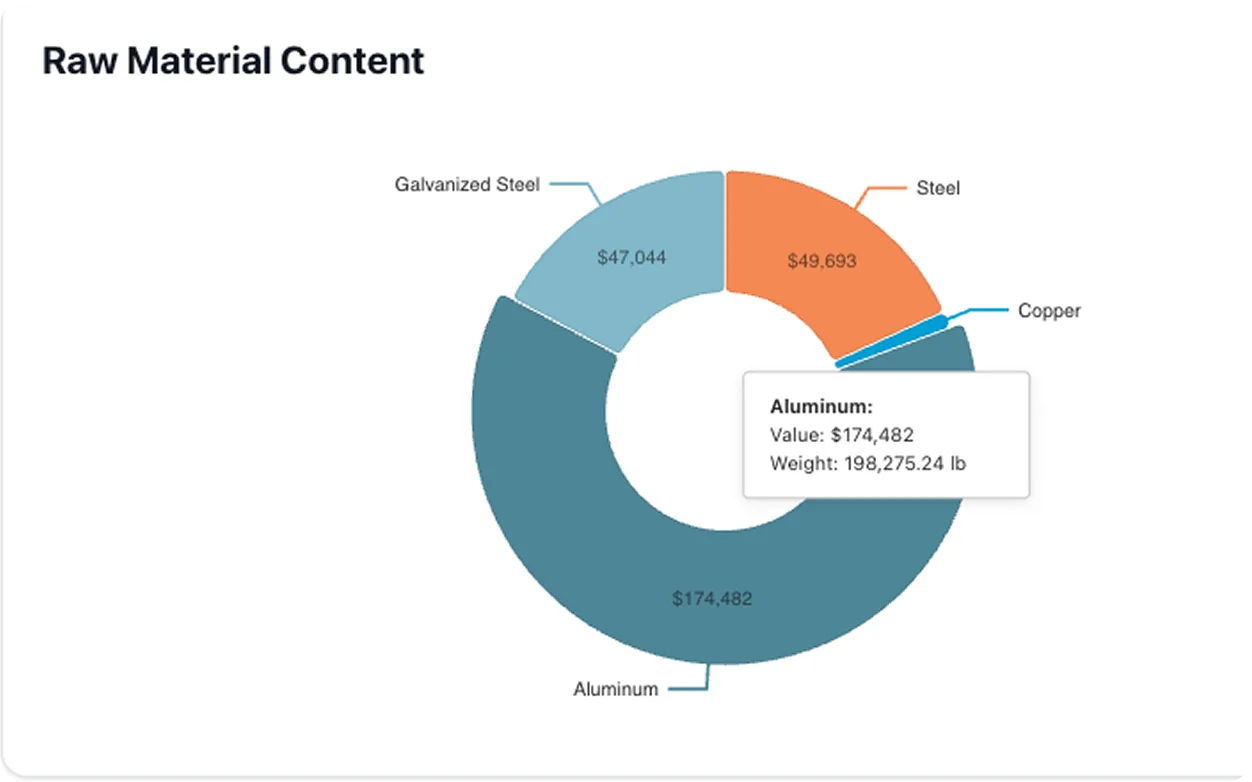
A multi-layer view of real market behavior
Buckstop does not depend on a single price list, study, or marketplace. The platform aggregates data across multiple input layers to reduce distortion and bias.
Active resale markets
Observed pricing from marketplaces where assets are actively bought and sold. These inputs reflect live demand, liquidity, and pricing behavior for functional assets.
Secondary and scrap markets
Data from secondary resale platforms and scrap aggregators that define recovery floors. These inputs anchor value when assets are impaired, obsolete, or approaching end of life.
Real transaction history
Where available, verified transaction data reinforces observed market behavior and calibrates outcomes against actual results, grounding the platform in evidence rather than assumptions.
Economic and regulatory context
Residual value is shaped by more than asset condition.
Buckstop incorporates:
Commodity pricing relevant to material recovery
Freight and logistics indices
Regulatory and jurisdictional costs that affect recovery feasibility
Technical product specifications
Manufacturer documentation and technical records identify asset composition, configuration, materials, and attributes that influence recoverability, ensuring valuation reflects the asset’s true characteristics rather than listing assumptions.
Clean inputs before valuation
Industrial asset data is inconsistent by default. Before any valuation logic is applied, Buckstop normalizes inputs through automated data cleaning and entity resolution.
This ensures:
 Duplicate listings are removed
- Conflicting specifications are resolved
- Each asset is represented as a single canonical record
Clean inputs prevent errors from propagating into decision outputs.
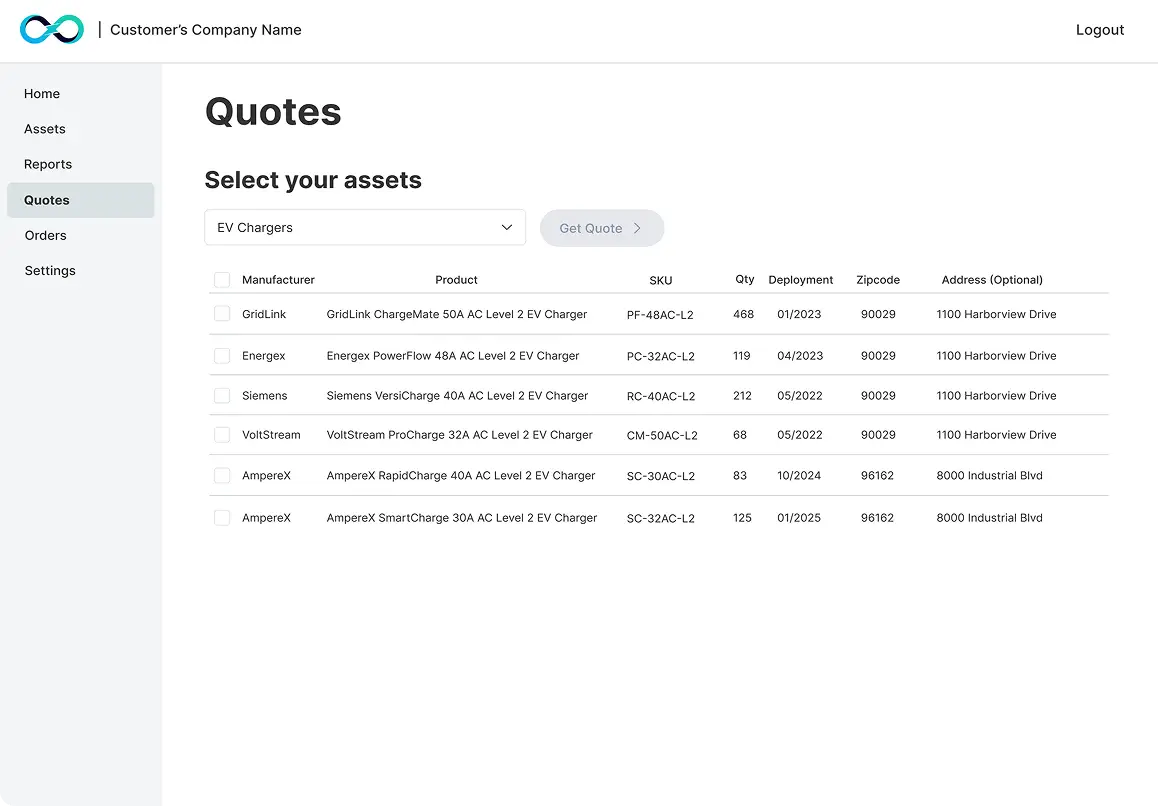
Designed for live decisions, not static reports
All data inputs are continuously refreshed as markets move. They are not published once or frozen in time.
Using the same inputs and assumptions across decisions keeps outputs consistent and defensible.
Apply real inputs to your assets
The value of data inputs is proven through real decisions. A Buckstop pilot applies these inputs to a defined asset set, enabling teams to validate outputs against internal, audit, and committee standards.