.png)
The system of record for valuing energy
and industrial assets throughout their lifecycle
Residual value assumptions determine bond sizing, financing terms, recovery outcomes, and exit risk. Yet most teams still rely on spreadsheets, static studies, or conservative guesswork.
Trusted by teams pricing capital, risk, and value recovery

.png)

.png)
.png)
.png)

.png)
.png)
%20(1).png)
.png)
.png)
.png)
.png)
.png)
Asset lifecycle transitions are high stakes decisions, they lack a shared system of record
When assets age, fail, or approach end-of-life, time-sensitive questions must be accuracy answered
 What is this asset actually worth today?
- How much downside exposure do we carry?
- Which path is most cost effective, sustainable, and lowers Total Cost of Ownership?
.png)
Most organizations answer these questions using
 One-off consultant reports that quickly become obsolete
- Spreadsheets with single points of failure
- Assumptions disconnected from real transactions
- Static depreciation models that ignore real market behavior
%201.png)
This breaks down fast
- Recovery value is left on the table
- Decommissioning risk is mispriced
- Bonds and financing are over- or under-sized
- Hidden costs often come to light during M&A, exits, defaults, or audits.
When assets age, fail, or approach end-of-life, time-sensitive questions must be accuracy answered
- What is this asset actually worth today?
- How much downside exposure do we carry?
- Which path is most cost effective, sustainable, and lowers Total Cost of Ownership?
Most organizations answer these questions using
- One-off consultant reports that quickly become obsolete
- Spreadsheets with single points of failure
- Assumptions disconnected from real transactions
- Static depreciation models that ignore real market behavior
This breaks down fast
- Recovery value is left on the table
- Decommissioning risk is mispriced
- Bonds and financing are over- or under-sized
- Hidden costs often come to light during M&A, exits, defaults, or audits.
High-stakes decisions are being made without a trusted intelligence layer to turn market data into reliable outcomes.
The Buckstop standard
One benchmark behind every critical decision
Buckstop serves as the residual value intelligence layer between physical assets and financial decisions.
Every decision rests on transaction-backed residual value indexes drawn from real historic and current scrap and resale outcomes, continuously refreshed and confidence-scored.
Buckstop applies this intelligence before capital moves and risk becomes irreversible, giving teams evidence they can defend to risk, audit, and capital committees.
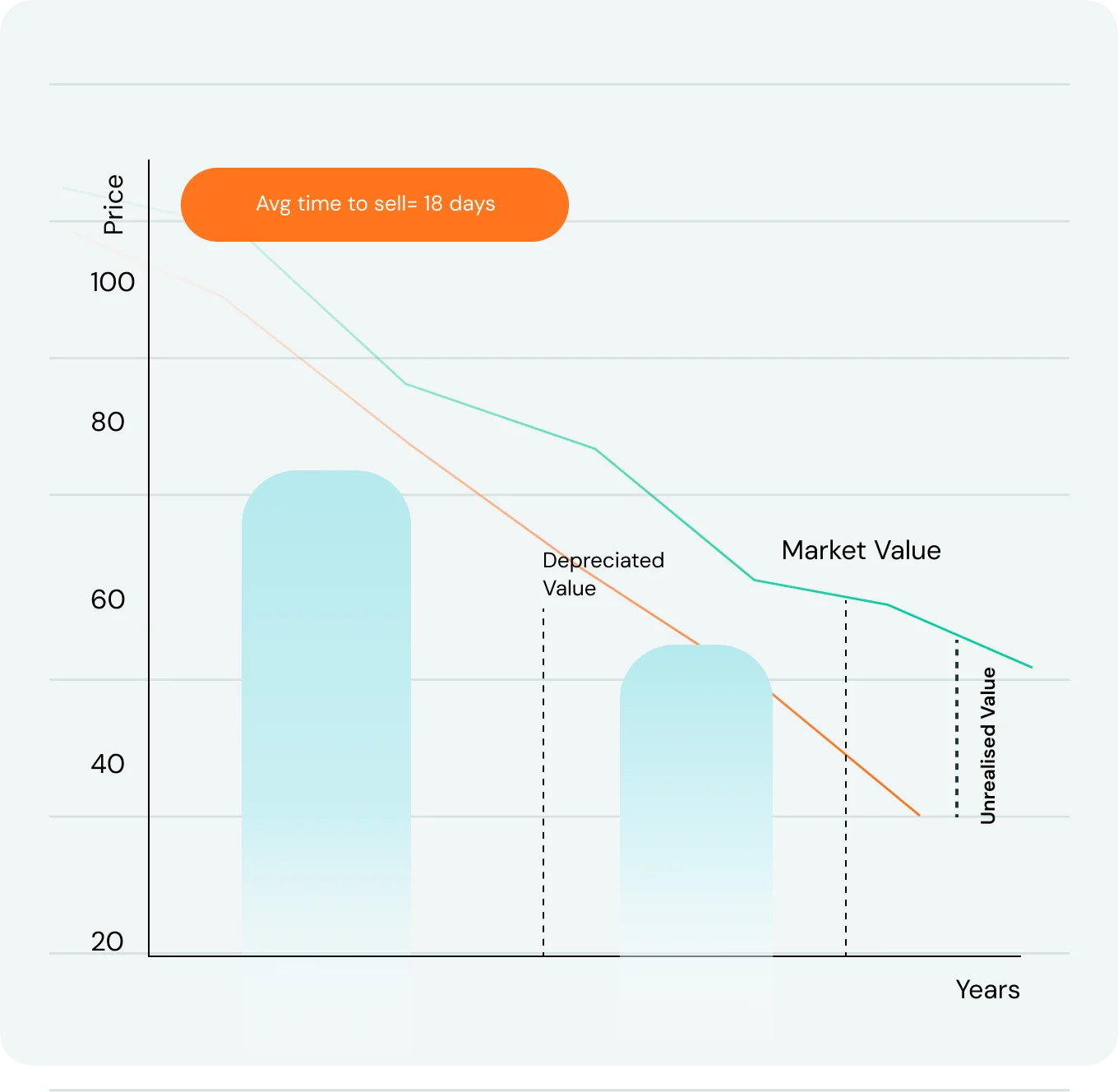
How Buckstop Streamlines
High-Stakes Decisions
Standardised benchmarks that improve
efficiency,
pricing accuracy, and returns.

Asset lifecycle management
- Plan repowering vs retirement with pricing clarity
- Offset decommissioning costs through recovery value
- Avoid unplanned write-downs
Risk & underwriting
- Price decommissioning and salvage risk accurately
- Defend bond sizing and Total Insurable Value (TIV) assumptions
- Reduce regulatory, audit, and reserve exposure
Recovery & liquidation
- Decide resale vs recycle with confidence
- Anchor bids to real market signals
- Avoid margin erosion and recovery surprises
Capital & financing
- Validate residual value assumptions before deals close
- Stress-test downside exposure across scenarios
- Protect exit value and capital allocation
From Intelligence To Defensible Outcomes
Buckstop converts market data into decision-grade outputs teams can rely on internally and externally.
documentation
assumptions with
full traceability
diligence timelines
dramatically
.png)

A transaction-backed residual value intelligence layer
that replaces weeks of manual analysis across capital, risk, and recovery decisions.
Trusted by early partners shaping the future of residual value intelligence
.png)
.png)

.png)
Why Buckstop?
- Consultants deliver static answers.
Buckstop establishes a living benchmark. - Marketplaces execute transactions.
Buckstop determines whether they make sense. - Spreadsheets hide assumptions.
Buckstop exposes them. - Reporting tools document outcomes.
Buckstop informs decisions before outcomes are locked.
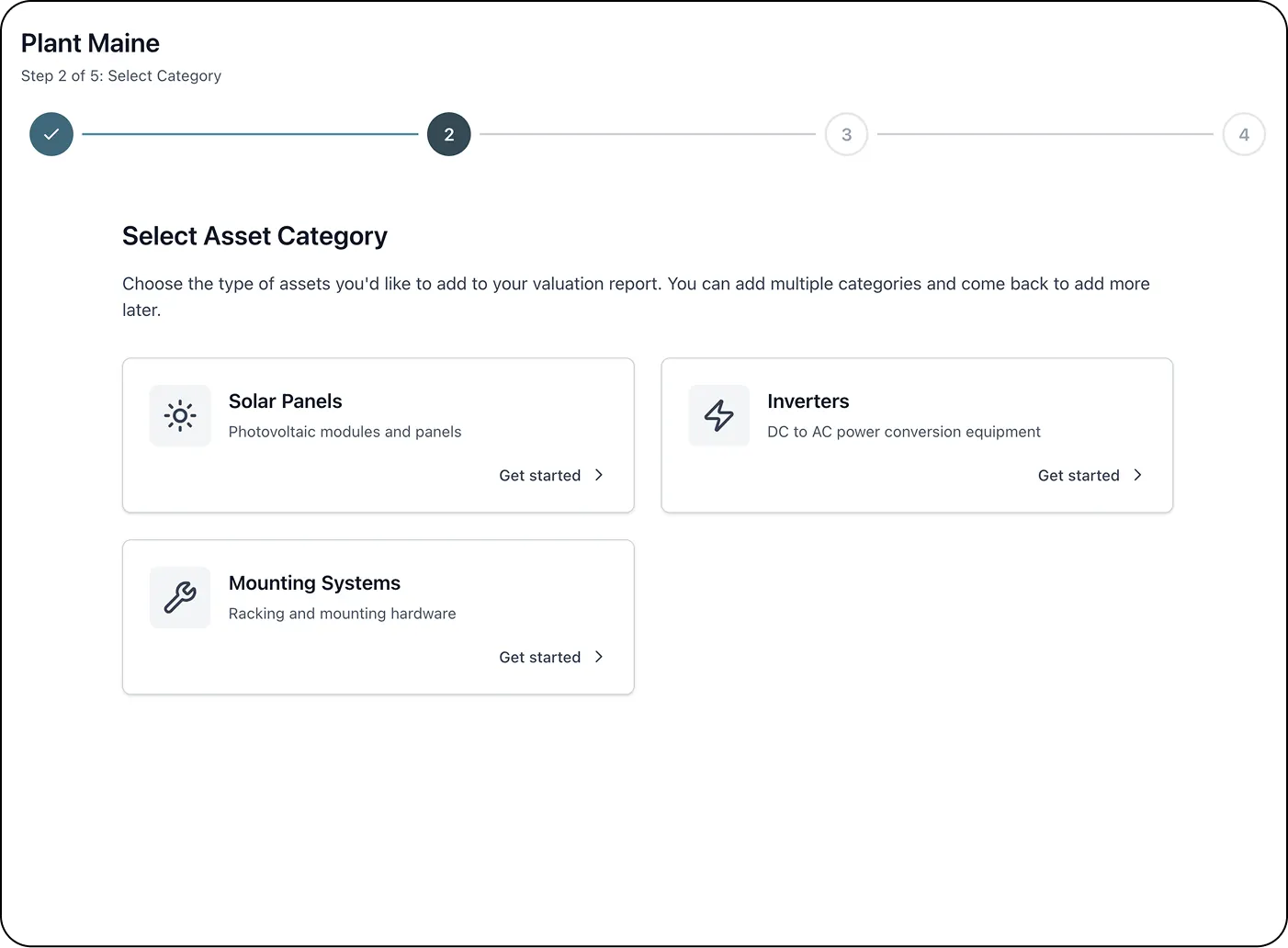
What Our Customers Are Saying
Common Decision Scenarios
Research & Intelligence
Market-backed insight for teams accountable for capital and risk.
Real-time depreciation at the asset level

Residual value trends
& trading volumes
Decommissioning
cost drivers
Pricing volatility asset class

Sources & Data
Methodology visibility
A pilot focuses on
- Defined assets or portfolios
- Specific decision questions
- Transaction-backed outputs you can validate